


Polynucleotides - Skin Rejuvenation and Tissue Repair
At Kent Skin and Laser Clinic, we offer polynucleotide treatments to support skin regeneration, improve skin quality and promote tissue repair.
Polynucleotides are increasingly used in aesthetic and regenerative medicine to improve the appearance and function of the skin. They work by supporting the skin's natural repair processes, helping to improve texture, hydration, elasticity and overall skin quality.
What are polynucleotides?
Polynucleotides are highly purified DNA fragments derived from natural sources. When introduced into the skin, they help create an environment that supports cell repair and regeneration.
Unlike traditional dermal fillers, polynucleotides are not designed to add volume. Instead, they work by stimulating the skin's natural regenerative processes and improving overall skin health.
How do polynucleotides work?
Polynucleotides help to:
• Support tissue repair and regeneration
• Improve skin hydration
• Enhance skin elasticity and firmness
• Stimulate fibroblast activity
• Support collagen and elastin production
• Reduce inflammation and oxidative stress
The result is gradual improvement in skin quality, texture and resilience.
What concerns can polynucleotides treat?
Polynucleotide treatments may be suitable for a variety of concerns, including:
-
• Fine lines and wrinkles
• Skin laxity
• Dull or tired-looking skin
• Crepey or thinning skin
• Sun-damaged skin
• Acne scarring
• General skin ageing
They are commonly used on the:
• Face
• Neck
• Décolletage
• Hands
• Eye area
Polynucleotides for the eye area and neck
Polynucleotides are particularly popular for the delicate skin around the eyes and neck, where they may help improve:
-
• Fine lines and crepey skin
• Skin quality and texture
• Hydration
• Overall skin appearance
As they do not create volume, they are suitable for patients seeking a regenerative approach to peri-orbital and neck rejuvenation.
Treatment course
Polynucleotide treatments are typically performed as a course of sessions to achieve optimal results.
The number of treatments recommended will depend on:
-
• Skin condition
• Treatment area
• Individual treatment goals
Results develop gradually as the skin's natural repair mechanisms are stimulated.
What to expect during treatment
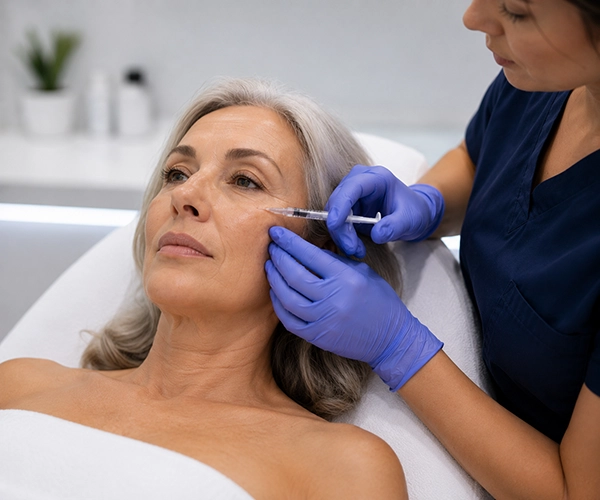
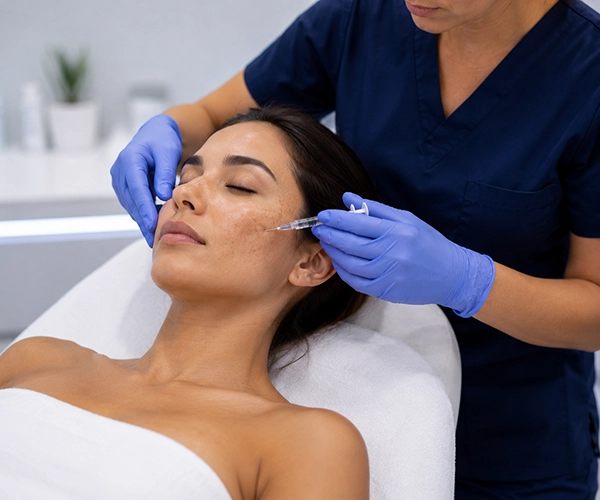
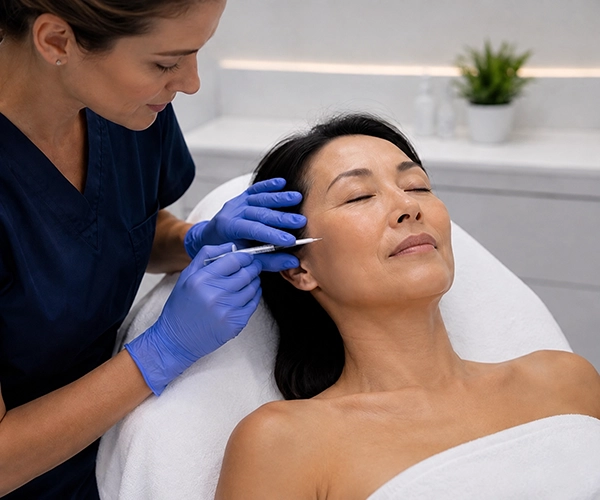
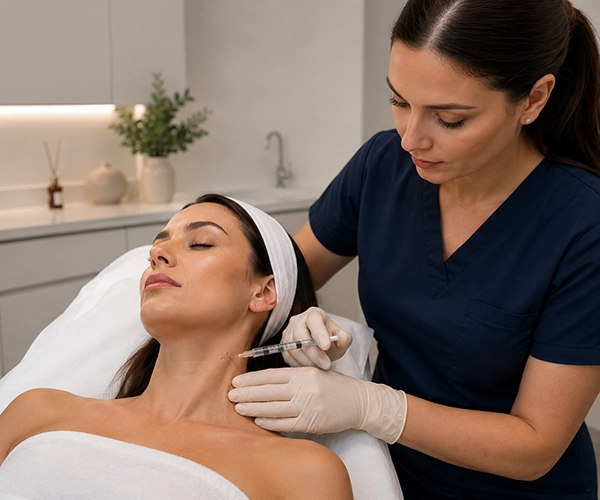
Treatment involves a series of small injections placed into the treatment area.
-
• Appointments are generally well tolerated
• Topical anaesthetic may be used where appropriate
• Mild redness, swelling or small injection marks may occur temporarily
• Normal activities can usually be resumed shortly afterwards
Results
Improvement develops gradually over the weeks following treatment as the skin undergoes natural regeneration.
Patients commonly report improvements in:
-
• Skin texture
• Hydration
• Firmness
• Overall skin quality
As with all regenerative treatments, results vary between individuals.
Combination treatments
Polynucleotides may be combined with other treatments where appropriate, including:
-
• Medical-grade skincare
• Microneedling
• Dermalux LED Phototherapy
• Skin rejuvenation treatments
Treatment plans are tailored according to individual skin concerns and goals.
FREQUENTLY ASKED QUESTIONS
No. Polynucleotides do not add volume or reshape facial features. They work by supporting the skin's natural repair and regeneration processes.
Most patients benefit from a course of treatments, although the exact number depends on the area being treated and the condition of the skin.
Results develop gradually as the skin repairs and regenerates. Improvements are typically seen over several weeks.
Polynucleotides are frequently used to improve skin quality around the eyes, helping to address fine lines, crepey skin, dark circles and signs of skin ageing.
Yes. They are frequently incorporated into wider skin rejuvenation programmes alongside treatments such as Dermalux LED Phototherapy, microneedling and medical-grade skincare.
Mild redness, swelling or small injection marks may occur after treatment, but these generally settle within a few days.